





How to Treat a Sprained Wrist with Rest, Bracing, and Activity Modification
Maybe you caught yourself during a fall, landed awkwardly during a game, or felt your wrist bend farther than it should. Now simple activities like typing, lifting a grocery bag, opening a jar, or pushing yourself up from a chair cause pain.
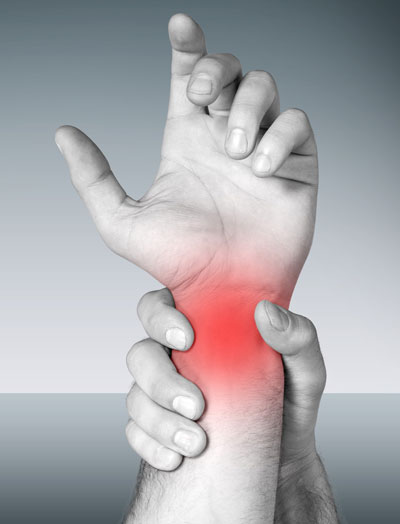
A sprained wrist is common after a sudden injury, especially a fall onto an outstretched hand. Hand and wrist injuries are also common in athletics, with one review noting that about 25% of sports-related injuries involve the hand or wrist.1, 2
The good news is that many mild to moderate wrist sprains improve with the right mix of rest, activity changes, gradual movement, and support when needed. A brace can help reduce strain during daily tasks, but it works best as one part of a broader recovery plan.3
What Is a Sprained Wrist?
A sprained wrist occurs when one or more wrist ligaments are stretched or torn. Ligaments are strong bands of tissue that connect bones and help keep a joint stable.3
Most wrist sprains happen when the wrist is forced beyond its normal range of motion. Common causes include falling onto an outstretched hand, twisting the wrist, bending it forcefully, or taking a direct impact during activity.2
Wrist sprains can also happen during sports and activities where falls, gripping, impact, or heavy loading are common. This can include skiing, cycling, and weightlifting.
Sprained Wrist vs. Strained Wrist
A sprain affects ligaments, while a strain affects muscles or tendons. Both can cause pain and swelling, but they involve different tissues.
Sprained Wrist vs. Carpal Tunnel Syndrome
A sprained wrist usually starts after a clear injury, such as a fall, twist, or impact.
Carpal tunnel syndrome is different. It happens when the median nerve is compressed at the wrist. It is more likely to cause numbness, tingling, nighttime symptoms, or symptoms in the thumb, index finger, middle finger, and part of the ring finger.4
Symptoms and What Makes a Sprained Wrist Worse
Symptoms can vary based on which ligament is injured and how severe the sprain is. Common signs include:
- Pain with wrist movement
- Swelling around the wrist
- Tenderness to touch
- Pain with gripping, lifting, or twisting
- Pain when pushing through the hand
- Bruising after a more significant injury
- Weakness or a feeling that the wrist is not stable3
Symptoms often get worse when you keep loading the wrist before the injured tissue has had time to recover. Activities like lifting, pushing, gripping, typing for long periods, or returning to sport too soon may increase pain.
Understanding Wrist Sprain Grades
Healthcare providers often classify wrist sprains by severity. The grade of a sprain is based on how much damage has occurred to the ligament and can help guide treatment decisions, recovery expectations, and the level of support that may be needed during healing. While only a healthcare provider can determine the exact severity of an injury, understanding the three common grades can help you better recognize your symptoms and know when additional evaluation may be needed.3
Grade I Wrist Sprain
A Grade I sprain is mild. The ligament is stretched but not torn.
Typical signs include:
- Mild pain
- Minimal swelling
- Some discomfort with activity
- Little to no loss of function 3
Grade II Wrist Sprain
A Grade II sprain is moderate. The ligament is partially torn.
Typical signs include:
- More noticeable pain
- Swelling
- Reduced strength
- Pain with gripping or lifting
- Possible feeling of instability
Grade III Wrist Sprain
A Grade III sprain is severe. The ligament is completely torn and the wrist is unstable.
Typical signs include:
- Significant pain
- Bruising
- Swelling
- Trouble using the wrist
- Pain even at rest
- Possible need for advanced medical treatment 3
Sprained Wrist Treatment at Home
Most cases of wrist sprain respond well to a few simple changes you can start at home. The goal is not complete rest, but smarter movement. Three areas tend to make the biggest difference: how much you do, how strong you are, and how well you move.
Rest and Activity Modification
Reduce activities that increase pain, such as heavy lifting, repetitive gripping, push-ups, sports participation, or other movements that stress the wrist. The goal is not complete inactivity but temporary activity modification while the ligaments recover.
Reduce Swelling and Protect the Joint
Ice, elevation, and light compression may help manage swelling early in recovery. As symptoms improve, gentle movement becomes important for restoring mobility and function. Some people may also benefit from physical or occupational therapy. 1, 3
Evaluate Activities That Trigger Symptoms
Pay attention to activities such as lifting, typing, tool use, weightlifting, or sport-specific movements that consistently increase symptoms. Modifying these activities can help reduce stress on healing tissues and support recovery.
Do Wrist Braces Help with a Sprained Wrist?
Yes, a wrist brace can help during recovery, but it should not be viewed as the only treatment.
A brace may help support the joint, limit painful motion, and reduce stress on healing tissue during activities that trigger symptoms. This can make daily tasks easier while you recover.3
A brace tends to help when:
- Activity increases your symptoms
- The wrist feels unsupported
- Gripping or lifting causes pain
- You are returning to activity after a flare-up
- You need temporary support during work, sport, or daily tasks
Bracing works best when paired with activity modification, gradual movement, and guidance from a healthcare provider.
Choosing the Right Support for a Sprained Wrist
The goal of bracing is to match the support level to your symptoms and activity demands. You want enough support to protect the wrist, but not so much that you rely on the brace longer than needed.
Wrist Wraps and Elastic Supports
Wrist wraps and elastic supports provide more structure than a sleeve while still allowing functional movement.
This is the go-to option when:
- Activity triggers symptoms
- You want support during exercise or work tasks
- You are returning to recreational activity
- You need support without full immobilization
Explore DonJoy wrist wraps and elastic supports
Structured Wrist Braces
Structured wrist braces provide greater stability and motion control.
This is the go-to option when:
- Symptoms are moderate to severe and more limiting
- The wrist feels unstable
- A healthcare provider recommends more support
- Higher-demand activities continue to aggravate symptoms
Explore DonJoy stabilizing wrist braces and supports
How to Wear a Wrist Brace During Recovery
Use the brace as a support tool, not as a long-term replacement for normal wrist movement.
Helpful guidelines include:
- Wear support during activities that trigger symptoms.
- Keep the brace snug but not painful.
- Avoid wearing it so tightly that it limits circulation.
- Continue gentle movement as symptoms allow.
- Reduce brace use gradually as strength and confidence return.
If your symptoms worsen while wearing a brace, stop using it and ask a healthcare provider for guidance.
How Long Does a Sprained Wrist Take to Heal?
Recovery depends on the severity of the sprain, the ligament involved, your activity level, and whether another injury is present.
General timelines may include:
- Mild sprains: often improve within a few weeks with rest, support, and activity modification.
- Moderate sprains: may take longer and may benefit from therapy-guided rehab.
- Severe sprains: may require medical evaluation, imaging, longer immobilization, or advanced treatment. 3
Timelines are only estimates. If pain is not improving, the wrist feels unstable, or you cannot use your hand normally, get evaluated.
When to See a Doctor for a Sprained Wrist
Most mild wrist sprains improve with basic care, but some symptoms need medical evaluation.
See a healthcare provider if you have:
- Significant swelling
- Severe bruising
- Visible deformity
- Trouble gripping objects
- Trouble bearing weight through the hand
- Pain that is getting worse
- Pain that does not improve after several days
- A popping sensation at the time of injury
- A wrist that feels unstable
- Numbness or tingling 2
Even when X-rays are normal, ongoing wrist pain after trauma can sometimes involve hidden bone or soft-tissue injuries. One PubMed-indexed MRI study found that many acute wrist injuries initially labeled as sprains had detectable findings on MRI, including fractures, bone bruises, and soft-tissue injuries. 2
Frequently Asked Questions
Can You Move a Sprained Wrist?
Often, yes. Many mild sprains still allow movement, but motion may be painful. If you cannot move the wrist, cannot grip, or cannot bear weight through the hand, seek medical evaluation. 3
Should I Sleep in a Wrist Brace?
It depends on your symptoms and your provider’s guidance. Some people may benefit from nighttime support if movement during sleep increases symptoms. Others only need a brace during activities that aggravate pain.
How Do I Know if My Wrist Is Sprained or Broken?
You may not be able to tell without an exam or imaging. Severe swelling, bruising, deformity, pain with weight-bearing, or trouble using the hand normally should be evaluated by a healthcare provider. 2, 3
Is a Sprained Wrist the Same as Carpal Tunnel Syndrome?
No. A sprained wrist is a ligament injury, usually after a fall, twist, or impact. Carpal tunnel syndrome involves compression of the median nerve and often causes numbness, tingling, and nighttime symptoms. 4
Can I Lift Weights with a Sprained Wrist?
Avoid lifting that increases pain or makes the wrist feel unstable. Return gradually as symptoms improve, and ask a healthcare provider, athletic trainer, occupational therapist, or physical therapist when it is safe to resume heavier lifting.
An Occupational Therapist’s Take
Wrist sprains are common, but they can be frustrating because even small tasks can keep irritating the joint. In my experience, people often do best when they respect their symptoms early, modify painful activities, and use support during higher-demand tasks instead of relying on a brace all day.
The goal is to protect the wrist while it heals, then gradually rebuild motion, strength, and confidence. If symptoms are not improving, continue to worsen, or the wrist feels unstable, it is worth getting evaluated so you can rule out a more serious injury.
Explore Support Options: If a clinician has diagnosed you with ankle tendonitis and recommended an ankle support, compare support options in our Wrist Sprain collection.
Disclaimer: This article is for informational purposes only and does not constitute medical advice. Always consult a qualified healthcare provider for diagnosis and treatment recommendations specific to your condition.
References
- Avery DM, Rodner CM, Edgar CM. Sports-related wrist and hand injuries: a review. Journal of Orthopaedic Surgery and Research. 2016. https://pmc.ncbi.nlm.nih.gov/articles/PMC5025579/
- Bergh TH, Lindau T, Bernardshaw SV, et al. A new definition of wrist sprain necessary after findings in a prospective MRI study. Injury. 2012. https://pubmed.ncbi.nlm.nih.gov/22819266/
- May DD Jr, Varacallo M. Wrist Sprain. StatPearls. https://europepmc.org/article/MED/31855358
- Sevy JO, Sina RE, Varacallo M. Carpal Tunnel Syndrome. StatPearls. https://www.ncbi.nlm.nih.gov/books/NBK448179/
- Andersson JK. Treatment of scapholunate ligament injury: Current concepts. EFORT Open Reviews. 2017. https://pmc.ncbi.nlm.nih.gov/articles/PMC5644424/ [pmc.ncbi.nlm.nih.gov]


