




The Marathoner’s Guide to Bracing: Run 26.2 with Confidence
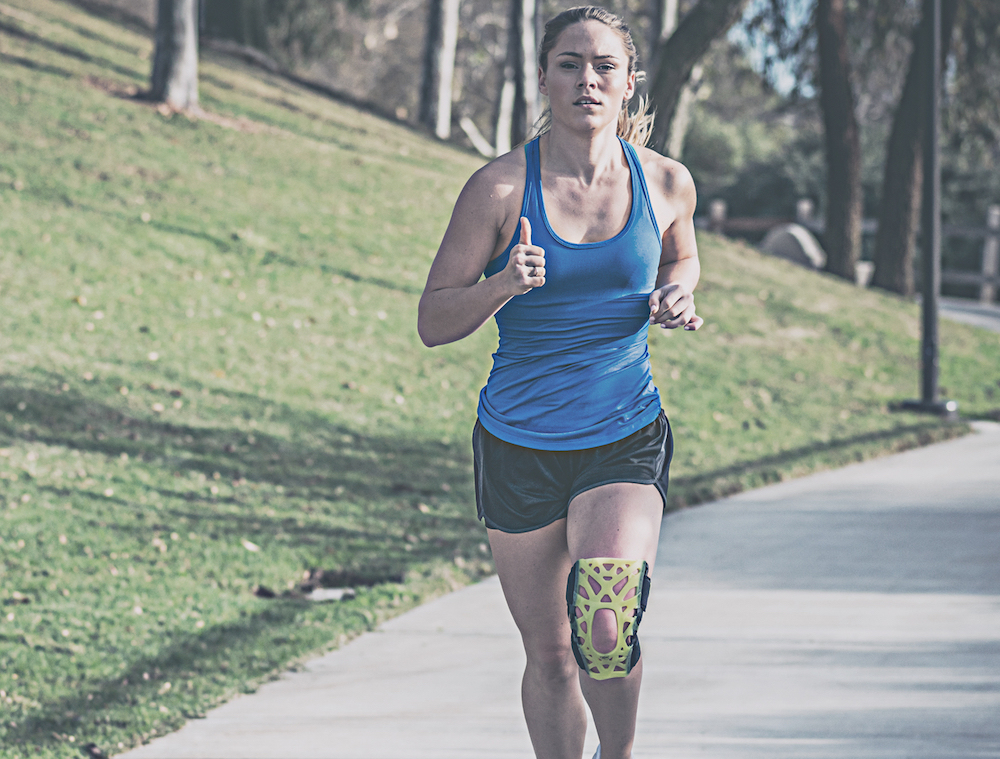
Whether you’re chasing a Boston Qualifier or completing your first marathon, your joints take the brunt of the work. Over 26.2 miles, the average runner takes over 30,000 steps, with each footstrike sending 3 to 4 times your body weight through your knees and ankles. And let’s not forget all the training runs you’ll do to get prepared…
When minor aches turn into "overuse" signals, an orthopedic brace can be the difference between a DNF and a medal. But when you’re taking 30,000 steps in a few hours, you need to find the right mix of breathability, weight, and anti-friction.
Why Marathon Runners Use Braces
Orthopedic supports for long-distance running serve three primary functions:
- Mechanical Stabilization: Keeping the joint (like the patella) in its proper track as muscles fatigue.
- Proprioceptive Feedback: Increasing your brain's awareness of joint position to prevent "wobbly" ankles.
- Vibration Reduction: Compressing soft tissue to reduce the "oscillating" forces that contribute to shin splints and muscle fatigue.
How to Choose a Marathon-Grade Brace: The Technical Criteria
A marathon is a dynamic endurance event, not a static recovery period. When selecting a brace for 26.2 miles, you must look beyond basic support and evaluate these four high-performance factors:
1. Advanced Fabric Tech (Drytex vs. Neoprene)
Traditional neoprene is great for heat retention but terrible for 26.2 miles—it traps sweat and can cause skin maceration (pruning).
- What to look for: Seek Drytex materials. Drytex is a unique nylon/Lycra polyester fabric that allows for improved airflow and moisture-wicking while still providing the compression of neoprene.
- The Marathoner's Benefit: It keeps the joint cool and prevents the "heavy" feeling of a sweat-soaked brace.
2. Anatomical Mapping & "Popliteal" Comfort
The repetitive motion of running means any bunching behind the knee (the popliteal space) or in the crook of the ankle will lead to a friction burn or "brace rub" by mile 10.
- What to look for: Look for "cut-outs" or "low-profile hinges." For example, the Webtech series uses a silicone framework that leaves the back of the knee open, eliminating the material that causes bunching.
- The Marathoner's Tip: If you choose a sleeve, ensure it has a specialized knit pattern behind the joint to prevent skin pinching.
3. Zonal Compression (Trizone Technology)
A marathon brace shouldn't be a "one-size-fits-all" squeeze. Different parts of your leg need different levels of support.
- What to look for: Trizone technology. This uses three distinct zones: a stability zone (with strategic silicone overlays), a compression zone (to aid circulation), and a comfort zone (for range of motion).
- The Marathoner's Benefit: This ensures you have support where you're prone to injury, without feeling restricted in your stride.
4. Dynamic Air Compression
For foot and ankle issues, static support isn't always enough for 30,000+ impacts.
- What to look for: Aircast air-cell technology. Instead of just foam padding, look for braces with interconnected air cells.
- The Marathoner's Benefit: As seen in the AirHeel, air moves with your footstrike, providing "pulsed" compression that actively reduces swelling while you are in motion.
Top Recommendations for 4 Common Marathon Injuries
1. Runner’s Knee (Patellofemoral Pain Syndrome)
The Symptom: A dull ache behind or around the kneecap that worsens on downhills.
- The Bracing Solution: DonJoy® Performance Webtech™ Knee Strap
- Why it works for 26.2: Unlike bulky sleeves, the silicone "web" design mimics the body's connective tissue to distribute pressure away from the painful tendon. It is extremely low-profile and won’t slide down as you sweat.
2. Shin Splints (Medial Tibial Stress Syndrome)
The Symptom: Throbbing pain along the inner edge of the shin bone.
- The Bracing Solution: DonJoy® Performance Trizone Calf Support
- Why it works for 26.2: This hybrid sleeve combines compression with bracing. It uses carbonized bamboo to wick moisture (crucial for rain or humidity) and features three distinct zones of compression to stabilize the calf and reduce the "tug" on the tibial bone.
3. Plantar Fasciitis & Achilles Tendonitis
The Symptom: Stabbing heel pain in the first mile or a tight, "creaky" sensation in the back of the ankle.
- The Bracing Solution: Aircast AirHeel™
- Why it works for 26.2: This is the "secret weapon" for marathoners. It uses two interconnected air cells under the arch and behind the heel. Every time you step, air pulses between the cells, providing dynamic compression that reduces swelling and massages the fascia while you run.
4. Chronic Ankle Instability
The Symptom: Feeling like your ankle might "give out" on uneven pavement or during turns.
- The Bracing Solution: DonJoy® Performance Trizone Ankle Support
- Why it works for 26.2: Heavy stirrup braces are for basketball; marathoners need the Trizone Ankle. It fits easily into standard running shoes (like Brooks or Saucony) without requiring you to size up, and it provides enough "feel" to prevent rolls without restricting your natural stride.
The "Race Day" Bracing Checklist
To avoid the dreaded "brace chafe" or mid-race adjustments, follow these expert tips:
- The "Two-Finger" Rule: Your brace should be snug enough to stay put but loose enough to slide two fingers underneath. Your legs will swell slightly during a marathon; don't start too tight.
- Prevent Friction: Apply an anti-chafe balm to the skin under the edges of the brace. For sleeves, consider wearing a thin moisture-wicking sock or "base layer" sleeve underneath.
- Train How You Race: Never wear a brace for the first time on race day. Wear it during at least two "Long Runs" (15+ miles) to ensure it doesn't cause hotspots or alter your gait.
- Maintain Your Gear: Sweat and salt can degrade the elastic in braces. Hand-wash in cool water and air-dry (never use a dryer) to maintain the compression integrity.
When to See a Professional
While braces are excellent tools for managing chronic stability issues, they are not a "cure" for acute injuries. If you experience sharp, localized pain that causes a limp, or if swelling does not go away with rest, consult a physical therapist for a gait analysis and a formal recovery plan.


