




Football Ankle Sprains: Recovery, Rehab, and Return to Play
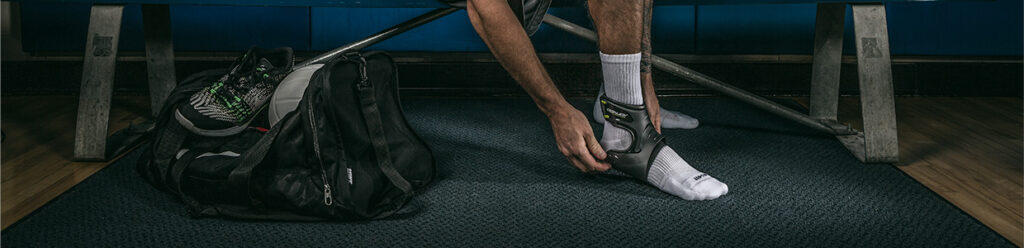
In football, your ankles take a beating. Every quick cut, explosive sprint, block, and jump loads the joint, and it only takes one bad landing or one foot planted wrong to roll into a lateral ankle sprain or a high ankle sprain. Receivers, defensive backs, linemen, nobody is exempt.
The good news is that most sprains heal. A mild one can settle down in 1 to 3 weeks. A more severe injury, like a Grade 2 or Grade 3 sprain, can take 6 to 12 weeks or longer. What separates a fast recovery from a lingering one usually comes down to two things: what you do in the first 48 hours, and how seriously you rebuild strength and stability before you step back on the field.
Here is the full playbook, from the moment you go down to the day you are game-ready again.
How Long Does a Football Ankle Sprain Take to Heal?
Recovery time depends mostly on the grade of the sprain:
- Grade 1 (mild): Ligaments are stretched but not torn. Most players are back in roughly 1 to 3 weeks.
- Grade 2 (moderate): A partial ligament tear with more swelling and instability. Plan for about 3 to 6 weeks before a safe return.
- Grade 3 (severe): A complete tear. This often takes 8 to 12 weeks or more, and in some cases needs an orthopedic evaluation to rule out surgery.
- High ankle sprain (syndesmotic): Involves the ligaments above the joint and almost always takes longer to heal than a lateral sprain of similar severity.
These are general ranges, not promises. Your timeline depends on the injury, your conditioning, and how disciplined you are with rehab. The single most common reason players re-injure an ankle is coming back before it is actually ready.
Step 1: Immediate Care After a Football Ankle Sprain
If you roll or twist your ankle on the field, do not try to walk it off. Pushing through the pain can turn a minor sprain into a major one.
The most familiar first-aid framework is the RICE protocol:
- Rest: Stop activity and avoid putting weight on the injured foot.
- Ice: Apply ice for 15 to 20 minutes every 2 to 3 hours to manage swelling.
- Compression: Use an elastic wrap or a soft compression sleeve to control inflammation.
- Elevation: Keep the ankle above heart level to help fluid drain away from the joint.
One update worth knowing: current sports medicine guidance leans toward gentle, early movement once the injury is stable, rather than total rest for days on end. Light, pain-free motion early on can support healing. The key word is pain-free. If it hurts, back off, and let a trainer or clinician guide your progression.
For more serious injuries, crutches or a walking boot may be necessary. If pain, swelling, or instability is severe, get an orthopedic evaluation right away.
Step 2: Ankle Braces for Recovery and Support
A quality football ankle brace plays a big role in both early recovery and a safe return to play. The right brace limits dangerous side-to-side movement while still allowing enough motion to walk and run normally.
| Brace type | Support level | Best for | Trade-off |
| Soft compression sleeve | Light | Swelling control, mild support in early recovery | Minimal mechanical stability |
| Lace-up brace | Moderate | Return to walking and light training | Slight bulk in the cleat |
| Hinged or rigid brace | High | Severe sprains and post-injury return to play | Less freedom of motion |
| Hybrid (supportive but flexible) | Moderate to high | Players who need both protection and agility | Costs more than a basic sleeve |
Popular DonJoy® options for football include the DonJoy® Performance POD Ankle Brace and the DonJoy® Velocity Ankle Brace. The right model depends on your position, the grade of your injury, and your stage of recovery.
Choosing the Right Ankle Brace by Position
Not every position puts the same stress on your ankles, so brace needs differ:
- Linemen: Heavy contact and awkward foot placements at the line of scrimmage. Look for rigid or hinged braces with maximum lateral stability and protection against rolling the ankle under load.
- Wide Receivers and Defensive Backs: Quick cuts, acceleration, and top-end speed. A lace-up or strap-style brace gives moderate support without killing agility.
- Quarterbacks: Light to moderate support that does not interfere with planting and throwing mechanics.
- Running Backs: Both high-speed cutting and heavy contact. A hybrid brace balances mobility with protection.
- Special Teams: Often prefer lighter braces for sprinting, but should step up to moderate support if they have a history of ankle issues.
When in doubt, have a sports medicine professional or athletic trainer match the brace to your position, injury history, and recovery stage.
When Should You See a Doctor?
Most mild sprains can be managed at home, but some signs mean you need a professional evaluation. See a doctor or athletic trainer if you notice any of the following:
- You cannot put any weight on the foot or take more than a few steps.
- Pain or swelling is severe or keeps getting worse after the first day or two.
- The ankle looks deformed, or you felt a pop at the moment of injury.
- There is numbness, tingling, or the foot feels cold or looks pale.
- The joint feels unstable or keeps giving way.
- You are not improving at all after about a week of careful home care.
A quick exam, and sometimes imaging, can rule out a fracture or a high ankle sprain and get you on the right recovery track from day one.
Step 3: Football-Specific Rehab Exercises
Once swelling is down and pain is manageable, the goal is to restore mobility, strength, and proprioception, which is your body's sense of balance and joint position. Move through these phases in order, and do not skip ahead.
Early mobility:
- Ankle circles, rotating slowly in both directions.
- Alphabet tracing, using your toes to draw the letters in the air.
Strength building:
- Towel scrunches to strengthen the small muscles of the foot.
- Calf raises to build lower-leg power for sprints and jumps.
- Resistance band work in all four directions.
Balance and football readiness:
- Single-leg stands, progressing from flat ground to a foam pad or balance board.
- Lateral shuffles and cone drills once stability improves.
- Jump-and-land mechanics to practice safe landings and avoid re-injury.
A sports physical therapist can tailor these to football-specific movements like cutting, backpedaling, and explosive starts.
Can You Play Football With a Sprained Ankle?
It depends on the grade and how it feels. A mild Grade 1 sprain may let you return within a couple of weeks once you can run, cut, and plant without pain or favoring the joint. Moderate and severe sprains need more time, and playing through them is how a two-week injury becomes a two-month one.
Use these checkpoints before you return:
- You can walk and jog with no limp and no swelling afterward.
- You can hop on the injured ankle and change direction without pain.
- Strength and range of motion feel close to your healthy side.
- You feel confident, not hesitant, planting and cutting.
If you check those boxes, brace or tape the ankle and ease back in. If you do not, you are not ready yet.
Step 4: Preventing Future Football Ankle Injuries
After you recover, ankle maintenance should be part of your training all year, especially if you have sprained it before.
- Keep ankle strengthening in your gym sessions even after you are cleared to play.
- Warm up dynamically. Skipping the warm-up raises your injury risk.
- Choose cleats with proper support and fit. Fit matters more than brand.
- Brace or tape during high-risk activities, especially if you have prior injuries.
- Listen to fatigue. A lot of ankle injuries happen late in games when mechanics break down.
Step 5: Staying Game-Ready With DonJoy®
A football career, from high school athletes to the pros, depends on keeping your joints healthy. The right ankle brace can protect a recovering joint, give you confidence in practice, and help prevent another sprain on game day.
Once you are back on the field, consistency is everything. Do not drop the strength and stability drills, especially if you have a history of ankle problems. And if the ankle starts feeling weak, sore, or unstable again, take it seriously and go back to the basics before pushing forward.
Recovery is more than checking boxes. It is about setting yourself up to play longer without putting your health at risk. Football is rough and ankles take a beating, but with smart care, honest rehab, and the right support, you can stay strong season after season.
Shop DonJoy® ankle braces for football
Football Ankle Sprain FAQ
Q: How long does it take to recover from a football ankle sprain? A: Mild sprains can heal in 1 to 3 weeks, while moderate to severe sprains may take 6 to 12 weeks or longer. Returning too soon is the most common cause of re-injury.
Q: Can an ankle brace prevent football injuries? A: A brace cannot prevent every injury, but it can lower the risk of re-spraining an ankle by adding stability and limiting dangerous side-to-side movement, especially for players who have been hurt before.
Q: What is the difference between a high ankle sprain and a regular ankle sprain? A: A high ankle sprain affects the ligaments above the ankle joint, usually from the foot twisting outward, and it typically takes longer to heal than a standard lateral sprain.
Q: Can you play football with a sprained ankle? A: Sometimes, with a mild sprain and proper bracing, once you can run, cut, and plant without pain. Moderate and severe sprains need more recovery time, and playing through them often makes the injury worse.
Q: Should I tape or brace my ankle for football? A: Both help. Taping offers customized short-term support, while a brace is reusable, consistent, and easy to adjust between drills and games. Many players with prior injuries prefer a brace for reliable day-to-day support.
Q: What is the best ankle brace for football? A: The best brace depends on your position, injury grade, and recovery stage. Linemen usually want rigid support, while skill players often prefer a lace-up or hybrid that protects without limiting agility.
-
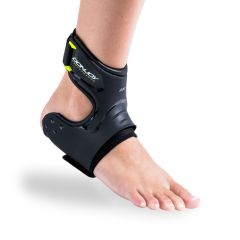 Special Price $60.99 Regular Price $60.99(75) Reviews
Moderate ankle support and roll control while allowing 360° movement. Compression similar to taping, easy on/off design, and low-profile fit for comfort in shoes. POD® technology engages support only when needed, helping to prevent ankle rolls and sprains during high-impact sports or active daily activity.
Recommended for:
- Ankle Rolls
- Grade I & II Ankle Sprains
- Chronic Ankle Instability
- Re-injury Prevention
-
 $33.92(33) ReviewsLock in elite-level support with the DonJoy Stabilizing Pro Ankle Brace. Designed for high-impact sports, it helps prevent rolls, sprains, and re-injury. Stay powerful, protected, and ready to dominate every play.
The Stabilizing PRO Ankle Brace can be used to treat or prevent the following ankle injuries:
- Ankle Instability
- Reinjury Prevention
- Ankle Roll Protection
-
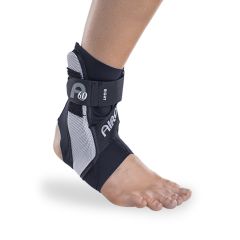 $36.41(38) Reviews
Rigid side stabilizers help control ankle rollover without restricting natural movement. The low-profile brace fits easily inside athletic footwear, while Breath-O-Prene® fabric promotes airflow to help keep feet cool and comfortable throughout the day.
Recommended for:
- Weak or Sprained Ankles
- Chronic Ankle Instability
- Post-Cast/Post-Injury Support
- Preventing Recurring Injury
-
 $37.74(47) Reviews
Athlete-focused ankle brace combines foam-filled aircells for cushioned compression and proven Air-Stirrup® protection against ankle roll. An ATF cross strap enhances targeted ligament stability . Step-in design and automatic heel adjustment make it easy to apply and wear all day.
Recommended for:
- Chronic Ankle Instability
- Sprained Ligaments
- Strained Muscles or Tendons
-
 Special Price $47.99 Regular Price $52.99(3) Reviews
Speed-wrap lacing with figure-8 straps create a secure, taping-like ankle stabilization system with adjustable moderate support and compression control. Designed for quick application, it locks in the heel while supporting confident and safe movement during sport.
Recommended for:
- Medial/Lateral Ligament Protection
- Ankle Sprains
- Ankle Instability
-
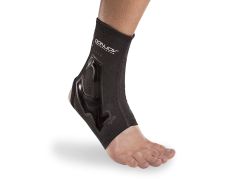 Special Price $39.99 Regular Price $44.99(29) Reviews
Three-zone compression and responsive silicone banding work together to stabilize ankle movement and control swelling. Targeted pressure zones support circulation while built-in medial and lateral reinforcement helps resist rollover and maintain alignment. The low-profile sleeve fits comfortably inside athletic footwear, delivering consistent support without restricting motion.
Recommended for:
- Mild to Moderate Ligament Sprains
- Mild to Moderate Tendon Strains
- Ankle Instability
-
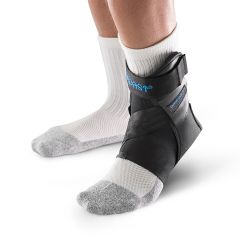 $82.99(52) Reviews
Adjustable arch-lift system stabilizes the ankle and offloads the posterior tibial tendon for controlled support. This braces is specifically designed to elevate the arch, improve alignment, and maintain mobility during early-stage PTTD recovery.
Recommended for:
- Posterior tibialis tendon dysfunction (PTTD, Stage I & early Stage II)
- Adult acquired flat foot
-
 $41.92(2) Reviews
Protect from ankle rollover during sports with a dialed-in BOA® Fit System and supportive stirrup shell that helps limit side-to-side motion. Delivers consistent moderate support for sports and daily activity.
Recommended for:
- Inversion and eversion due to ankle ligament tears
- Moderate to severe ankle sprains
- Prevention of injury
- Post-operative use
- Chronic ankle ligament instability
-
 Special Price $51.99 Regular Price $57.99(14) Reviews
60° molded stabilizers and highly responsive web strapping work together to control ankle motion and resist rollover forces. The low-profile Bionic system creates a secure fit with adjustable support that maintains alignment and stability during sport without restricting mobility.
Recommended for:
- Mild to Moderate Ligament Sprains
- Mild to Moderate Tendon Strains
- Ankle Instability
-
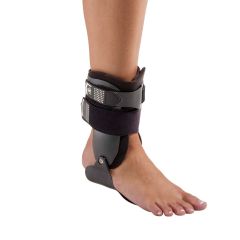 Special Price $69.99 Regular Price $77.99(13) Reviews
Designed for maximum lateral support, rigid uprights and stirrup shell control side-to-side ankle motion with a structured support system. Dual compression straps and an anatomical footplate work together to hold position and maintain targeted pressure. Delivers secure, locked-in stability for sport and athletic activities.
Recommended for:
- Medial/Lateral Ligament Protection
- Ankle Sprains
- Ankle Roll
- Ankle Instability
-
 Special Price $38.99 Regular Price $42.99(4) ReviewsStep up your game with the DonJoy Anaform Lace-Up Ankle Brace — pro-level support without the bulk. Engineered for comfort, built for performance, trusted for recovery. Prevent injuries. Recover faster. Move with confidence.
The Anaform Lace-Up Ankle Brace can be used to treat or prevent the following ankle injuries:
- Mild Sprains
- Strains & Instabilities
- Re-Enjury Prevention
-
 $123.69(57) Reviews
Semi-rigid hinged shell design controls ankle rolling while allowing natural flexion during athletic movement. Rigid uprights and the R3 ratchet system work together for locked-in compression and impact protection. Low-profile construction fits inside athletic shoes and cleats for high-support stability during sports and recovery.
Recommended for:
- Acute Ankle Sprains
- Chronic Ankle Instabilities
- High Ankle Sprains
- Reinjury Prevention
-
 Special Price $28.99 Regular Price $31.99Slip on support that feels like a second skin — with figure-8 straps for locked-in stability. Lightweight, low-profile, and made to move with you. Support your stride. Stay in the game. Feel the difference.
The Figure 8 Ankle Sleeve with Straps can be used to treat or prevent the following ankle injuries:
- Mild Ankle Sprains or Strains
- Inflammation
- Ligament Injury Learn More
-
 Special Price $17.99 Regular Price $19.99(1) ReviewSeamless comfort meets everyday support in this breathable, lightweight sleeve. Compression that boosts circulation and keeps you moving pain-free. Slide it on, power through — recovery never felt this good. Learn More
 -
 Special Price $11.99 Regular Price $12.99(2) ReviewsAll-day comfort. All-around support. Zero distractions. The figure-8 design delivers targeted compression and stability where you need it most. Perfect for recovery, prevention, and staying active without limits.
The Figure-8 Ankle Support can be used to treat or prevent the following ankle injuries:
- Mild Ankle Sprains
- Swelling
- Tendonitis Learn More
-
 $28.36(11) ReviewsReliable ankle stability without the bulk — perfect for daily wear and recovery. Built-in stays and adjustable straps deliver firm, customizable support. Move confidently. Heal smarter. Stay supported every step of the way.
The Stabilized Ankle Support can be used to treat or prevent the following ankle injuries:
- Ankle Instability
- Reinjury Prevention
- Ankle Roll Protection
-
 $35.01(33) ReviewsExperience top-tier ankle support with Aircast’s patented Aircell technology. Designed to reduce swelling and speed recovery without sacrificing comfort. Trusted by athletes and doctors alike—protect your ankle and get back in the game.
The Air-Stirrup Ankle Brace can be used to treat or prevent the following ankle injuries:
- 3rd Degree Ankle Sprain
- Acute Injuries of the Ankle
-
 Special Price $17.99 Regular Price $19.99(4) ReviewsMaximum support with a low-profile design — stability that moves with you. Reinforced straps lock in your ankle to prevent twists and sprains. Stay confident, stay active, and protect your every step. Learn More
 -
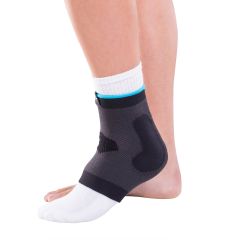 Special Price $19.99 Regular Price $22.99Comfort meets support in this lightweight, elastic ankle sleeve. Provides gentle compression to reduce swelling and enhance recovery. Perfect for everyday wear—stay active and pain-free with ease. Learn More
 -
 Special Price $9.99 Regular Price $11.99(1) ReviewSlip into all-day comfort with lightweight, flexible support that moves with you. Boost circulation and reduce swelling without slowing down your pace. Your perfect partner for injury prevention and active recovery. Learn More
 -
 $39.72(1) ReviewAll-in-one care kit designed to speed up your ankle sprain recovery. Includes trusted Aircast support and essential rehab tools for every step. Get back on your feet faster—stronger, safer, and pain-free. Learn More
 -
 $33.71(61) ReviewsRevolutionary heel support that cushions and stabilizes with every step. Lightweight design delivers targeted compression and comfort all day long. Protect your ankle, reduce pain, and stay active without limits.
The Airheel Arch & Heel Support can be used to treat or prevent the following ankle injuries:
- Airheel Arch & Heel Support
- Achilles Tendonitis
-
 $73.51(8) ReviewsStep into comfort and stability with the AirSelect Short Walking Boot. Lightweight design with adjustable aircells for custom support and faster healing. Walk confidently through recovery — protection that moves with you.
The AirSelect Short Walking Boot can be used to treat or prevent the following foot injuries:
- Foot and Ankle Fracture
- Severe Ankle Sprain
- Post-Operative Use
- Management of Swelling
- Foot and Ankle Immobilization
-
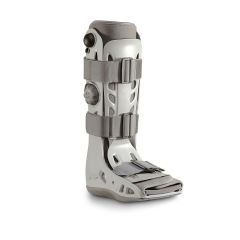 $79.58(11) Reviews
Aircast® AirSelect™ features unparalleled comfort with clinically proven technology that promotes faster healing. The semi-rigid shell and dual aircells offer 360° compression of the foot and ankle to control swelling and stabilize movement during recovery.
Recommended for:
- Stable fracture of foot and/or ankle
- Severe Ankle Sprains
- Post-Operative Recovery
- Management of Edema (swelling)
-
 $121.07(11) Reviews
The AirSelect Elite provides unparalleled comfort with clinically proven technology that promotes faster healing. The semi-rigid shell and overlapping dual aircell system secure the lower leg and ankle to control swelling and restrict motion during recovery. A pre-inflated front panel and adjustable aircells work together to create full-contact compression.
Recommended for:
- Stabilizing Fractures of the Lower Leg, Foot, and Ankle
- Severe Ankle Sprains
- Post–Operative Recovery
- Immobilization of the Ankle and Foot
-
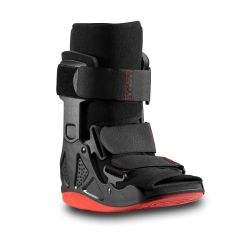 $40.38(5) ReviewsGet fast, reliable ankle support with the ProCare XcelTrax Ankle Brace. Adjustable straps and durable design provide superior stability for sprains and injuries. Perfect for injury prevention and recovery—stay active and protected every step. Learn More
 -
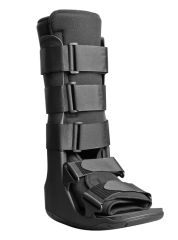 $43.84(2) ReviewsExperience maximum ankle support with the ProCare XcelTrax Tall Ankle Brace. Extended height and adjustable straps provide enhanced stability for serious injuries. Ideal for sprains, strains, and rehab—protect your ankle and move with confidence. Learn More
 -
 $50.77(8) ReviewsUltimate ankle support with the ProCare XcelTra Air Tall—designed for serious injuries. Air cushioning and adjustable straps deliver superior stability and all-day comfort. Perfect for sprains, fractures, and post-surgical recovery—move confidently every step.
The XcelTrax Air Tall can be used to treat or prevent the following leg injuries:
- Immobilization of the Lower Leg, Ankle, and Foot
- Foot Fracture
- Achilles Tendon Repair
- Acute Lateral Ankle Sprains


