




Basketball Knee Protection: How Compression Sleeves Help You Play Stronger and Safer
When I was in high school, we were playing basketball in the gym during PE class. A friend of mine went up for a rebound in a completely routine play. There was no contact, no awkward landing, and no warning sign at all. Yet a little while later an ambulance was pulling up to take him to the hospital with a dislocated patella. It was a freak accident that showed everyone in the gym how quickly a simple movement can put real stress on the knee.
Basketball demands constant force absorption from the knee joint. Every sprint, pivot, jump, and landing places pressure on the ligaments, tendons, and soft tissue that keep your knee stable. Whether you are fighting for a rebound, sliding into defensive position, or grinding through conditioning drills, your knees are doing far more work than most players realize.
Wearing knee protection might have prevented my friend’s injury. It is a proactive choice that benefits athletes at every level. A high quality knee compression sleeve is one of the simplest ways to support your knees throughout the season. It does not restrict your movement. Instead, it provides stability, warmth, comfort, and confident control of the joint. These qualities help you move more efficiently and reduce the chance of injury before it happens.
Youth athletes, recreational players, and competitive hoopers can all benefit from making knee protection part of their regular routine. DonJoy® Store offers options designed to help you stay healthy and stay on the court.
Common Knee Injuries in Basketball
Basketball is one of the most demanding sports for the knee joint. Quick direction changes, deceleration, lateral movement, and continuous jumping place stress on the ligaments, tendons, and cartilage that keep the knee stable.
Here are the injuries basketball players encounter most often:
ACL Tears
The anterior cruciate ligament stabilizes the knee during sudden directional changes. A quick pivot or awkward landing can overload the ACL and cause a partial or complete tear. ACL injuries typically require surgery and extended rehabilitation.
Meniscus Tears
The meniscus cushions the knee and helps distribute weight. Twisting while landing, cutting, or rotating can lead to a tear. Pain, swelling, and limited motion are common symptoms.
Patellar Tendinitis (Jumper’s Knee)
Jumping places repeated stress on the patellar tendon. Players who train heavily, especially without proper rest or stretching, often experience irritation and inflammation in this area.
MCL Sprains
The medial collateral ligament stabilizes the inside of the knee. It can become overstretched during contact, awkward landings, or when force is applied to the outside of the leg.
Not all injuries result from dramatic falls or collisions. Many develop gradually because of fatigue, repetitive stress, or poor mechanics. Without proper support, warm-ups, and recovery, small issues can develop into more serious problems.
Understanding these risks gives players a foundation for prevention. The next step is choosing gear that supports healthy movement.
Why Basketball Players Use Knee Compression Sleeves
Knee compression sleeves provide a lightweight and comfortable way to support the knee without limiting natural movement. They are easy to use, simple to maintain, and effective for both injury prevention and everyday comfort.
Here are the most important benefits:
- Support joint stability during quick movements and rapid direction changes
- Improve circulation and keep the joint warm, which helps reduce stiffness
- Offer light compression that may support swelling management after intense activity
- Provide gentle support for players with past injuries or mild discomfort
- Improve body awareness so your knee tracks more efficiently during movement
Many players wear sleeves during practice, competitive games, and post-training to help with recovery. You do not need an existing injury to benefit from one. Even healthy athletes use compression to reduce fatigue and maintain consistent performance.
A compression sleeve is not a replacement for a rigid brace in cases of significant instability. It is, however, an excellent everyday tool for confidence, comfort, and joint support.
What to Look for in a Basketball Knee Compression Sleeve
A reliable sleeve should be comfortable, durable, and supportive without restricting your range of motion. Use the criteria below to find the right option.
Material Quality and Breathability
Look for breathable, moisture-wicking fabrics that maintain steady compression without trapping heat. Neoprene, spandex blends, and knitted compression designs are excellent options that balance support with airflow.
Appropriate Compression Level
Light compression is suitable for general comfort and long practices.
Moderate compression is useful for players who want more targeted support or swelling control.
Choose a level that feels secure and comfortable without pinching or restricting circulation.
Extra Support Features
Some sleeves offer patella-stabilizing rings, reinforced panels, or light side supports. These features provide extra security for athletes with a history of irritation or minor instability during high intensity movement.
A Secure Fit That Stays in Place
A proper fit prevents the sleeve from sliding or rolling during activity. Look for sleeves with silicone grip bands, anatomical shaping, and accurate sizing charts. A good fit maintains consistent compression through sprints, cuts, and jumps.
Tips for Keeping Your Knees Healthy During Basketball Season
A compression sleeve is only one part of a complete knee care routine. Building smart training and recovery habits can significantly reduce your injury risk.
1. Warm Up and Cool Down Every Time
Dynamic warm-ups prepare your muscles and joints for explosive play. Cooling down gradually helps limit post-game tightness.
2. Strengthen the Muscles That Support the Knee
Strong glutes, quads, hamstrings, and calves help reduce stress on the knee joint. Lunges, single-leg exercises, balance drills, and resistance band work all support healthier knee mechanics.
3. Maintain Flexibility
Tight muscles can shift the way the knee moves. Stretch the hamstrings, calves, hip flexors, and IT band consistently, especially during heavy training periods.
4. Prioritize Rest and Recovery
Tournament weekends and consecutive games place a heavy load on the knee. Use rest days or low-impact recovery sessions like swimming or light cycling.
5. Use Knee Support During High Demand Activity
Wearing a compression sleeve during practices and games can help reduce fatigue and provide steady support when your knee is under the most stress.
Small daily habits create long term results. Players who consistently strengthen, stretch, and support their knees tend to stay healthier throughout the season.
Play with Confidence and Protect Your Knees
Basketball challenges your knees every time you step on the court. With thoughtful training, proper recovery, and supportive gear, you can stay strong, agile, and confident.
A knee compression sleeve is an effective and easy way to support joint stability, reduce stiffness, and manage the demands of play. Whether you are dealing with minor soreness, recovering from past issues, or staying proactive, adding a sleeve to your gear can make a noticeable difference.
Explore the DonJoy® Store collection of knee sleeves and supports designed for basketball players. Our products help you stay healthy, move freely, and perform at your highest level all season long.
Play smart. Protect your knees. Stay in the game you love.
-
 $150.95(154) ReviewsShock-absorbing elastomeric webbing shifts pain away from your knee. Dual-axis hinges and breathable mesh keep you moving with confidence. Ideal for athletes with patellofemoral pain, Osgood-Schlatter, or mild OA.
The Reaction WEB Knee Brace can be used to treat or prevent the following knee injuries:
- Front of Knee Pain
- Osgood-Schlatter
- Mild Arthritis
- Kneecap Misalignment
- Overuse Injuries
- Muscle Imbalance
- Blunt Trauma
- Runner’s Knee
- Patellar Dislocation
- Chondromalacia
-
 Special Price $86.99 Regular Price $95.99(11) ReviewsLock into performance-grade support with bilateral polycentric hinges. Moisture-wicking Drytex material and open-patella design keep you cool, agile, and on‑point through every cut and sprint. Adjustable top/bottom straps and anti-slip silicone hem ensure this brace stays put when you're pushing limits on the field or court.
The Bionic Drytex Knee Sleeve can be used to treat or prevent the following knee injuries:
- Mild to Moderate MCL/LCL Injuries
- Meniscus Injuries
- Knee Instability
- Sprains and Strains
- Hyperextension
- Arthritis
-
 Special Price $48.99 Regular Price $53.99(3) ReviewsStabilize Your Stride Dual-pull straps and removable buttresses deliver customizable patellar support for peak performance. Lightweight 4-way stretch knit ensures comfort and flexibility during every workout.
The Dual-Pull Patella Stabilizer Knee Sleeve can be used to treat or prevent the following knee injuries:
- Runner's Knee
- Patellofemoral Syndrome (PFPS)
- Patella Maltracking
-
 $90.85(61) ReviewsDominate your day with precision patella alignment. The Tru‑Pull Lite uses a dynamic bifurcated strap and dual-durometer buttress to keep your kneecap locked in proper tracking—even through tight turns and hard sprints. Optimized for athletes and movers, it’s low-profile, breathable, and built to stay put during every play .
The Tru-Pull Lite can be used to treat or prevent the following knee injuries:
- Overuse Injuries
- Muscle Imbalance
- Runner’s Knee
- Blunt Trauma
- Kneecap Misalignment
- Dislocation
- Chondromalacia
- Patellar Tracking Disorder
-
 $56.64(3) ReviewsLock in lateral support with dual-axis polycentric hinges. The sewn-in tubular patella buttress and adjustable straps provide targeted compression and stability, ideal for patella tendonitis, chondromalacia, subluxation, and grade 1 collateral ligament sprains. Its universal fit allows for easy application on either leg, making it versatile for both left and right knees.
The Performer Hinged Patella Knee Brace - Neoprene can be used to treat or prevent the following knee injuries:
- Meniscus tear
- Mild to Moderate Ligament Injury
- Muscle and Ligament Strains
- Sprains
- Patellar Instabilities
-
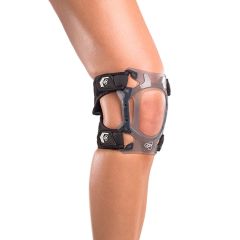 $60.99(40) ReviewsPower through pain with the Webtech Short Knee Brace—compact support that never quits. Designed for athletes who demand mobility and patella protection on every play. Stay fast, stay fierce, stay in the game. Learn More
 -
 $18.30(5) ReviewsElevate your game with the DonJoy Performer Knee Support Brace—engineered for athletes who demand peak performance. Its anatomical sleeve design delivers targeted compression and support, helping prevent injuries and enhance stability. Whether you're on the field or in the gym, this brace moves with you, keeping your knee secure and comfortable.
Performer Knee Support Brace can be used to treat or prevent the following knee injuries:
- Stab Learn More
-
 Special Price $69.99 Regular Price $77.99(1) ReviewEngineered for athletes who demand mobility and support. The 4-way stretch knit fabric delivers compression to manage swelling, while removable plastic hinges provide medial/lateral stability during dynamic movements. Ideal for sports like basketball, volleyball, and soccer, this lightweight sleeve offers a secure fit with adjustable straps and a patella buttress to protect the kneecap.
The Hinged Knit Knee can be used to treat or prevent the following knee injuries:
- Overuse Injuries
- Patella Tracking Disorder
- Muscle Imbalance
- Strained Muscle or Tendons
- Mild Sprains
- Blunt Trauma
-
 $56.58(59) ReviewsDominate every direction with the Lateral J-Patella Brace’s reinforced patellar support. Ideal for athletes who battle knee tracking issues, it locks your kneecap in place through every cut and sprint. Stay agile, stay steady, and stay in the game—no matter how fierce the play.
The Lateral J Patella Knee Brace can be used to treat or prevent the following knee injuries:
- Overuse Injuries
- Muscle Imbalance
- Runner’s Knee
- Blunt Trauma
- Kneecap Misalignment
- Dislocation
- Chondromalacia
- Patellar Tracking Disorder
-
 $59.99(11) ReviewsEngineered for athletes demanding stability without restriction. The open popliteal design minimizes friction, ideal for those with neoprene sensitivities or in warm climates. Bilateral hinges and Drytex fabric deliver breathable compression, supporting ligament injuries, meniscus tears, or mild OA. Learn More
 -
 $60.04(27) ReviewsThe TriZone Knee Brace combines compression and bracing in a single sleeve, featuring three targeted zones for optimal support. Crafted with carbonized bamboo for cooling and antimicrobial properties, it's designed to keep you moving through repetitive motion injuries.
The TriZone Knee Brace can be used to treat or prevent the following knee injuries:
- Meniscus Injury
- Tendonitis
- Muscle Strain
- Over Use Injury
- Mild Joint Instability
- Need for Compression


